
Thriving as an Indie Artist in 2026: Grants, Content, and Sync
Thriving as an Indie Artist in 2026: A Tactical Guide
The modern music landscape has blurred the lines between roles. Today’s independent artists often wear many hats – you might be a producer, songwriter, web designer, marketer, and more, all at once. The good news is that this “do-it-yourself” ethos can be incredibly empowering. By taking control of your career and learning new skills (or knowing when to outsource them), you can build a sustainable, authentic music journey on your own terms. In this guide, we’ll explore how to embrace the indie mindset, develop your online presence, monetize your music creatively, and tap into resources (like grants and communities) to fuel your success. It’s tactical and inspirational – without the corny clichés – because now is the time to take action and be the driving force behind your music career.
Embrace the Indie Mindset: “Everyone Does Everything”
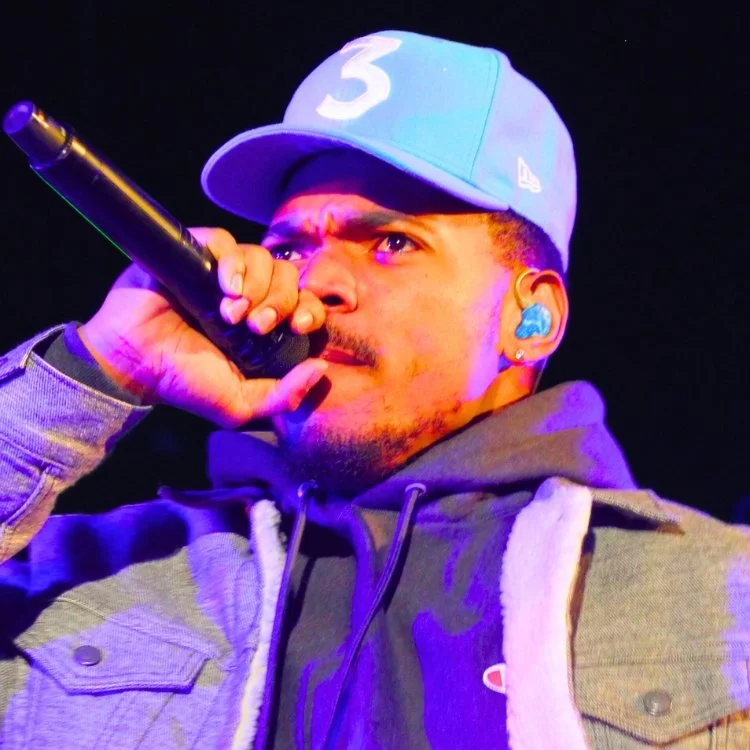
Being an indie artist means having the freedom to create exactly what you want, without label constraints. You have complete creative control over your music, image, and direction. For example, Chance the Rapper never signed a record deal yet became one of hip-hop’s most influential figures by releasing music for free on platforms like SoundCloud – building an incredibly loyal fanbase in the process.
In practice, embracing the indie mindset might mean learning new skills or taking on tasks outside your comfort zone. It’s not uncommon to see a producer also designing album art, or a singer running their own social media campaigns. Direct fan engagement is your superpower: social platforms (Instagram, TikTok, YouTube, etc.) let you connect with listeners without a middleman. Consider Maggie Lindemann – she gained traction on Instagram and YouTube and built a successful career by connecting directly with fans online. The key point is that owning every aspect of your craft is liberating. It ensures that your artistic vision stays authentic and that you grow as a well-rounded creative entrepreneur.
Tip: If a task feels daunting (say, mixing your track or coding a website), don’t shy away. Instead, decide whether to learn the basics yourself or budget for help. Many indie artists start by doing everything, but it’s perfectly okay to delegate once you can afford it. The goal is to make sure every important task – from production quality to branding – gets done one way or another. By cultivating a can-do attitude and continuous learning, you’ll position yourself to seize any opportunity.
Build Your Own Platform and Brand Online
In 2025, having a professional website and online presence is no longer optional – it’s essential for any serious musician. Think of your official website as your digital headquarters: a hub where fans can discover your music, find your tour dates, buy merch, and follow your journey. Unlike on social media (where algorithms and rules can change overnight), your website gives you full control over how you present your art and story. It also boosts your credibility and search visibility – a polished site helps industry folks take you seriously and allows new listeners to find you via Google.
Key elements of your online platform might include:
Official Website: Use musician-friendly builders like Bandzoogle or free platforms like Loop Fans to create a site without needing to code from scratch. These services offer music-specific features (audio players, mailing list tools, merch stores, etc.) to make setup easy. If you have web development skills (or are willing to learn), you can customize even further with WordPress or HTML/CSS for a unique touch. The bottom line: get a website up to showcase your work and collect fan email addresses for direct updates (an email list is gold for indie artists).
Visual Branding: Ensure consistency in your visuals across your website, social media, and album covers. You don’t need to be a Photoshop wizard, but learning basic graphic design (or using tools like Canva) can help you craft a logo, banners, and post images that reflect your style. This makes you look professional and memorable.
Social Media & Content: Claim your artist profiles on Instagram, TikTok, YouTube, Twitter, Facebook – wherever your audience spends time. Post behind-the-scenes clips, short jams, or personal updates to let fans into your world. Social media is a free marketing platform; by being authentic and engaging, you can grow a fanbase without heavy spending. Many artists have broken through by going viral or building a niche community online (for instance, an Australian indie artist Tash Sultana uploaded jam sessions on YouTube and soon gained a global following, all while staying independent and in control of her music). Consistency is key here – set a schedule you can stick to, even if it’s one YouTube video or two Instagram posts a week.
Budget for Pros When Needed: If there’s a part of web or branding work you truly dislike or find too time-consuming, consider hiring help. For example, you might hire a freelance web designer for a one-time site overhaul, or a photographer for promo shots. Websites like Fiverr or Upwork have affordable creatives. Treat this as an investment in your career’s presentation. Tip: set aside a portion of your music income (or crowdfunding) specifically for these professional services, so you don’t feel overwhelmed doing absolutely everything. It’s still your show – you’re just directing some specialists from behind the scenes.
Monetize Your Music (Indie-Style) with Diverse Income Streams
One major advantage of doing it all yourself is that you get to keep more of the revenue and diversify where your money comes from. Without a label taking a big cut, every income stream flows more directly to you. Let’s look at some tactical ways indie artists in 2025 are making money from their craft:
Streaming Platforms: Make sure your music is on Spotify, Apple Music, YouTube Music, Deezer, and emerging streaming services. While per-stream payouts are small, being everywhere adds up in volume. Stay up-to-date on new monetization tools these platforms offer. For example, Spotify’s Marquee and Campaigns, YouTube’s Content ID and Super Thanks, etc., can boost your earnings if used wisely. Also consider platforms like Bandcamp that cater to direct support: Bandcamp stands out by letting you set your own price for downloads/merch and even offer fan subscriptions (where listeners pay a monthly fee for exclusive tracks or early releases). In fact, Bandcamp’s fan subscription model has been praised for fostering stronger artist-fan connections through recurring support.
Direct Sales & Fan Support: Don’t rely solely on streaming pennies – sell your music and merch directly to fans. Your website or platforms like Bandcamp can handle digital album sales, vinyl or CD pre-orders, and artist merchandise (T-shirts, posters, etc.). Many fans want to support the artists they love, so give them that option! Consider setting up a Patreon or similar membership platform where super-fans can subscribe for a few dollars a month in exchange for exclusive content, early listening parties, or even behind-the-scenes vlogs. Crowdfunding is another powerful tool. You can run a Kickstarter to press your first vinyl LP or fund a tour. The key is to engage your core fans and make them feel part of your journey.
Sample Packs and Production Assets: If you’re also a producer or beat-maker, monetize those skills. Creating and selling sample packs (collections of original loops, beats, sounds) or presets can generate extra income and build your reputation among fellow musicians. Essentially, you package your unique sounds for others to legally use in their productions. It’s a growing market – selling sample packs has become a great way to make extra money for many producers. For one set price, a customer gets a folder of your curated sounds to play with. You can sell packs on your own site or on marketplaces like Splice, Gumroad, or Sampledex (more on that later). This not only earns you money but also networking clout, as your sounds might end up in other artists’ projects (spreading your name in production circles).
Licensing & Sync: Have you ever heard your song on a TV show, commercial, or video game? That’s called a sync placement, and it can be lucrative. Even indie artists can land licensing deals for media – sometimes a single placement can pay more than thousands of streams. Look into music libraries or licensing agencies that work with independent music for films, TV, ads, or even YouTube content. Every time your music is used, you can earn an upfront license fee plus royalties. And don’t overlook micro-licensing: smaller usages like a YouTuber using your song (with Content ID monetization) or a podcast needing intro music. These “micro-sync” uses can generate fees too. Registering your work with a PRO (Performance Rights Organization like ASCAP/BMI) and platforms like Content ID ensures you collect what you’re owed from these uses.
Live Performances & Virtual Shows: Gigs are coming back strong. Live shows have historically been one of the biggest income sources for musicians (and one of the most fun). As an indie artist, you might start with local venues, house concerts, or indie festivals. Ensure you budget your tour costs smartly (travel, lodging, paying band members) so you actually profit or break even – don’t be shy to negotiate fair guarantees from venues, or seek sponsorships from local businesses. If touring physically is tough, do virtual concerts via platforms like Stageit, Twitch, or YouTube Live, where fans can tip/donate. Some artists even sell tickets to exclusive Zoom performances. Pro tip: Develop a great live show (even if it’s just you and a loop pedal) – a memorable performance not only earns immediate income but also wins lifelong fans who will support your recordings and merch.
Merch & Creative Products: Selling merchandise isn’t just about t-shirts anymore. Indie creators monetize through creative products that resonate with their audience. This could be anything from custom USB drives loaded with your music, to lyric art prints, to even coffee blends or comic books if it fits your persona! Merch has always been a reliable revenue stream, and modern print-on-demand services mean you don’t need huge upfront costs to offer goodies. Be strategic: what unique item would your fans love? One tactic is to release limited-edition merch drops around an album release or tour – it creates urgency and excitement (plus extra cash flow).
Teach, Produce, or Freelance: Many indie musicians bolster their income by leveraging their skill set in the gig economy. You can offer online music lessons (e.g. teaching your instrument or songwriting via Zoom), do freelance production or mixing for other artists, compose for hire (jingles, custom songs, etc.), or even start a YouTube channel giving music tips. These activities not only make money, they also expand your network and credibility. For instance, an indie producer might sell mixing services on SoundBetter or Fiverr, or a singer might do top-lining (writing vocal melodies/lyrics) for DJs. It’s all part of being a modern musical entrepreneur.
Innovate and Adapt: The landscape keeps evolving. Maybe you create an NFT of your album art, or you partner with a brand for a sponsored Instagram post, or you join an affiliate program (sharing product links to gear you use, and earning a commission). Indie artists have become savvy influencers in their own right. As long as you keep it authentic (promote things you genuinely like and that align with your image), these can be valid income sources too. Some artists monetize their strong personal brand by doing things like sponsored content or running a Patreon blog about their touring life – the possibilities are endless. The takeaway is: diversify your income streams. By having multiple smaller revenue sources, you create a stable overall livelihood, which is crucial when one channel (e.g. live shows) slows down.
Seek Out Funding, Grants, and Support Opportunities
Going indie doesn’t mean going it completely alone. There’s money out there earmarked for independent artists – you just have to seek it and apply. In fact, as of 2025, there are over 200 music grants and funding programs worldwide, offering more than $100 million in support to musicians at various career stages. These range from government arts grants, to non-profit funding, to corporate-sponsored contests. Tapping into a grant can free you from financial stress and allow you to focus on your art (80% of independent musicians say funding significantly boosted their careers by covering production, promotion, or tour costs).
Here are a few avenues to consider:
Music Grants and Competitions: Look for grant programs in your country or region. For example, in the U.S., the Salt Lick Incubator offers project grants from $5,000 to $15,000 to emerging musicians in contemporary genres – usable for recording, music videos, touring, or marketing efforts. They even provide mentorship and strategic planning for recipients, helping ensure the funded projects have maximum impact. Another example: the BMI Foundation’s Dolly Parton Songwriters Award competition provides up to $20,000 to top unsigned songwriters as a career development grant. Winning a grant or contest not only gives you money, but also credibility for your resume. Check resources like your national arts council, local arts nonprofits, or directories of grants (many music blogs compile annual lists of opportunities).
Education and Incubators: Some organizations offer support programs that are not just cash, but also training, networking, or studio time. For instance, a local music incubator might select a group of indie artists for a 6-month program where they get free studio access, mentorship from industry pros, and a showcase at the end. These can be invaluable for growth. Keep an eye out for opportunities like Red Bull music labs, Tedx music projects, or college-sponsored entrepreneur programs for musicians.
Crowdfunding & Fan Funding: We touched on this in monetization, but it doubles as a way to fund projects upfront. If you have a loyal fanbase (even a small one), consider running a crowdfunding campaign for a specific goal – say, a new EP or a tour van. Services like Kickstarter, Indiegogo, or GoFundMe can rally your community to chip in. The key is to offer cool rewards (exclusive merch, private concerts, credit in liner notes, etc.) that make fans feel like stakeholders in your success. It’s not “free money” – you’ll work for it by promoting the campaign and fulfilling rewards – but it can jumpstart projects without a label advance. And unlike a loan, you typically don’t have to pay it back except in promised rewards.
Sponsorships and Partnerships: Indie doesn’t mean anti-business. If you can align with brands or sponsors that fit your image, you might score funding or free gear. For example, a guitar string company might sponsor your tour in exchange for shout-outs, or a local business might underwrite your music video if you feature their product. Think creatively about who might benefit from exposure to your audience, no matter how small your following. Even getting a free instrument or software in exchange for a review or an endorsement can save you money. Just keep any sponsorship authentic – work only with brands you actually like or use, so it resonates with your fans.
Musician Communities and Nonprofits: Many communities have organizations that support local music with grants or scholarships. From city arts councils to charities (like MusiCares or PRS Foundation in the UK), there may be funds available for things like emergency relief, tour support, or creative projects. Some nonprofits offer grants specifically to certain demographics. It’s worth doing a bit of research to find those niche opportunities that apply to you. The application processes might require some work – writing a proposal, making a budget, etc. – but that’s another skill worth learning as an indie artist entrepreneur. Even if you don’t get the first grant you apply for, the exercise of articulating your project is valuable.
Learn from Real-Life Indie Success Stories
Nothing is more inspiring than seeing fellow artists succeed on their own terms. Let’s look at a few independent musicians who carved their own path – proof that you can do it too, and some insight into how they did it:
Chance the Rapper – We mentioned him earlier: Chance famously kept 100% ownership of his music by never signing with a label. Instead, he dropped mixtapes for free, leveraged social media and streaming for distribution, and built a huge following that led to sell-out tours and Grammy awards – all as an indie. His story underlines how giving value (free music) and staying true to your vision can pay off big. As noted, Chance’s rise shows the power of artistic freedom and self-reliance in the modern era.
Tash Sultana – This Australian one-person band started by busking and uploading live bedroom recordings to YouTube. Tash’s song “Jungle” went viral, racking up millions of views, which led to global festival bookings – all without any initial industry backing. By staying independent through this growth, Tash Sultana retained full creative control of her psychedelic sound and image, proving that streaming and social platforms can catapult an indie artist worldwide. The lesson: focus on your craft and put it out there (videos, live recordings) consistently; you never know what could catch fire.
Amanda Palmer – A singer-songwriter who exemplifies fan-powered career. After leaving a major-label deal, Amanda turned to her fans for support. She engaged deeply through blogs and social media, and eventually launched a Kickstarter campaign that raised over $1M for her album – at the time, a record-breaking sum for a musician Later she became an early adopter of Patreon, generating steady income from monthly fan patrons. Amanda’s approach shows the importance of community: treat your fans like friends and investors in your art, and they will go to great lengths to see you thrive. It’s about genuine connection, not marketing tricks.
Frank Ocean – An example of an artist who leveraged label resources then chose independence. Frank fulfilled his contract, then independently released his album “Blonde” on his own terms. He skipped traditional promo, used social media and surprise drops to create buzz, and ended up with one of the most acclaimed albums of the decade – all while owning his masters. Frank Ocean proves that even artists who start within the industry machine can pivot to autonomy and find success by trusting their own brand power. The takeaway: believe in your value. If you’ve built an audience, you might not need the label safety net anymore – you can go direct to fans.
Joey Bada$$ – A hip-hop artist who opted out of a major label to maintain control and financial independence. Early in his career Joey had industry offers, but he chose to stay independent and later explained that this allowed him to keep a much larger share of his revenue and make the music he wanted without interference. He’s grown a dedicated fanbase and a sustainable career by managing his own releases and brand. Joey’s story highlights the fact that independence can lead to more money in your pocket (no label cuts) and a more sustainable career long-term– even if it means a slower build-up.
Each of these artists took different paths – free releases, viral videos, crowdfunding, leaving a label – but all share a common thread: they took action and owned their journey. They treated their careers with an entrepreneurial spirit and didn’t wait around for someone else to do the work. Use their experiences as motivation, but remember your path can be uniquely yours. Success might mean a modest but steady income from music while retaining creative freedom, or it could explode into mainstream recognition. Either way, being indie means you define what success looks like.
Final Thoughts: You’ve Got This – Now Take Action
As an independent artist in today’s music world, you truly have the power to steer your own ship. It’s a lot of responsibility – and yes, a lot of work – but the rewards are worth it. You get to create freely, engage genuinely with fans, and reap the benefits of your hard work directly. The journey can be tough, no doubt, which is why it’s important to stay both tactical (have a plan, build those skills, diversify income) and inspired (remember why you create music in the first place!).
Don’t be afraid to step outside your comfort zone: whether that’s learning a bit of HTML to tweak your website, or cold-emailing a venue to book your own show, or applying for a grant with a formal proposal. Every new skill or effort is an investment in your dream. And you’re not alone – the indie music community is huge and supportive. Connect with fellow artists, share advice, collaborate, and keep an eye on platforms built for creators like you.
(Speaking of which, here’s a subtle pro-tip: if you’re looking for a community that offers original sounds and opportunities for indie producers and musicians, check out Sampledex. It’s a platform born from a collective of independent music creators, aiming to change the game for how samples and indie music are curated and shared. It could be a great resource as you continue on your journey – you might even find some fresh sounds or new collaborators there. Let’s make some music!)
In the end, action is everything. The best time to push your indie career forward is now. Release that single, start that Patreon, design that website, apply for that grant – do the things you’ve been meaning to do. By consistently putting in the work and leveraging the tips above, you’ll build momentum. Stay true to yourself, keep learning, and keep creating. Your independent music career is a road you pave one step at a time, and with each step, you’re getting closer to your goals. Good luck – you’ve got this!
References
Point Blank Music School – How Independent Artists Thrive Without a Record Label
Symphonic Distribution Blog – 14 Ways Your Music Can Make You More Money
Symphonic Distribution Blog – Grants For Independent Musicians
Revisions Music – Artist Grants & Support in 2025
Obscure Sound – Guide to Building Your Online Presence in 2025

_(cropped).jpg)